A bustling Lagos main market on a Sunday afternoon. If you have ₦100,000 or less right now, here are 50 real businesses you can start this week and still be making money for years: Table of Contents Food & Drinks Businesses Service Businesses (No Shop Needed) Online & Phone-Based Businesses Retail & Reselling Bonus Ideas Added in 2025 Food & Drinks Businesses POS (Agent Banking) – ₦60k–₦100k → ₦10k–₦40k daily profit Full guide: POS Business Complete Guide 2025 Small Shawarma Stand Pepper Soup Joint Popcorn Business Pure Water Reselling Akara & Bread Fried Yam/Plantain Moi-Moi Business Zobo & Kunu Drinks Roasted Plantain (Boli) + Fish Puff-Puff & Beans Ice Block Selling Indomie Joint Fruit Salad/Smoothie Bread & Tea Morning Spot 5 proven routes to online wealth in Africa Service Businesses (Zero Rent) Phone Charging + Power Bank Rental Laundry Pickup & Delivery Home ...
Search This Blog
Top 5 Low-Capital Business Ideas Thriving in Anambra and Ebonyi States Right Now
Home › Top 5 Low-Capital Business Ideas Thriving in Anambra and Ebonyi States Right Now
Published: December 15, 2025 Author: Small Business 247 Categories: Business Ideas, Southeast Nigeria, Low-Capital Startups
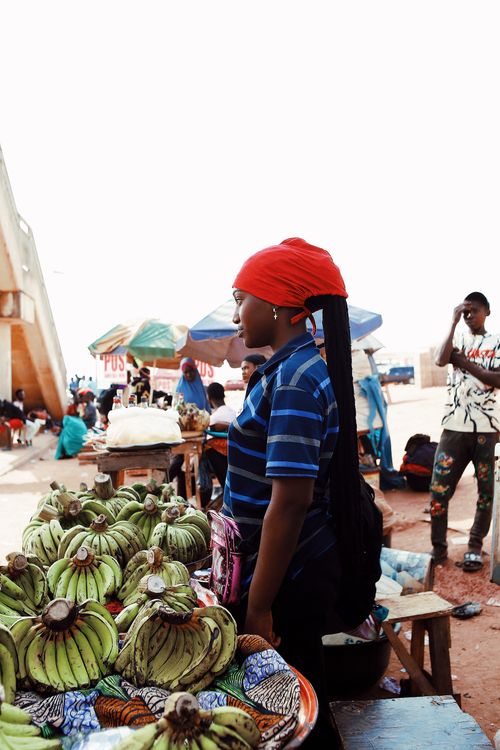
A bustling street market scene in Nigeria, representing the vibrant commerce in places like Onitsha Main Market. (Royalty-free from Pexels)
Introduction
In Anambra and Ebonyi States, entrepreneurship is deeply ingrained in the culture. Anambra, home to Africa's largest market in Onitsha and industrial hubs like Nnewi, excels in trade and commerce. Ebonyi, known as the "Salt of the Nation" for its massive rice production, thrives on agriculture and agro-processing.
As Nigeria pushes towards a cashless economy and food security remains a priority in 2025, low-capital businesses (starting with ₦100,000–₦500,000) are booming. These ideas leverage local resources, high demand, and minimal overheads, making them ideal for beginners, youths, and women entrepreneurs in the Southeast.
Whether you're in Awka, Onitsha, Abakaliki, or rural communities, here are the top 5 low-capital business ideas thriving right now in Anambra and Ebonyi States.
1. POS and Mobile Money Agent Business
The shift to digital payments has made POS (Point of Sale) and agent banking one of the most profitable low-capital ventures across Nigeria, especially in semi-urban and rural areas of Anambra and Ebonyi.
With banks like Opay, Moniepoint, and Palmpay expanding aggressively, agents earn commissions on transactions like cash withdrawals, transfers, bill payments, and airtime sales.
Why it's thriving in 2025: Limited banking access in rural Ebonyi and busy markets in Anambra drive daily foot traffic. Many households still prefer cash withdrawals via agents.
Startup Capital: ₦100,000–₦300,000 (POS machine, float, small shop/banner).
Potential Monthly Profit: ₦100,000–₦300,000+ with high volume.
How to Start: Register with a provider like Moniepoint, get trained, and set up in a busy location.
2. Small-Scale Poultry Farming
Poultry remains an evergreen business in the Southeast, with constant demand for broilers, eggs, and layers in markets like Onitsha and Abakaliki.
Why it's thriving in 2025: Rising food prices and preference for local chicken make it profitable. Ebonyi and Anambra have good access to feeds and veterinary services.
Potential Monthly Profit: ₦150,000–₦400,000 after first cycle (6–8 weeks for broilers).
How to Start: Build a backyard pen, source chicks from reputable hatcheries, vaccinate properly, and sell to restaurants/hotels.
3. Okrika (Thrift/Second-Hand Clothes) Sales
Onitsha Main Market is famous for okrika bales, making this one of the hottest trading businesses in Anambra. It's also gaining traction in Ebonyi towns.
Affordable fashion drives demand, especially among youths and families.
Why it's thriving in 2025: Economic pressures push more people towards quality second-hand clothes from UK/USA bales. High turnover in markets.
Startup Capital: ₦150,000–₦400,000 (1–2 bales, shop space or roadside display).
Potential Monthly Profit: ₦200,000–₦500,000+ with good selection.
How to Start: Source bales from Onitsha or Lagos, grade/sort items, and sell retail or wholesale.
4. Cassava Processing into Garri
Cassava is abundant in both Anambra and Ebonyi, and garri is a staple food across Nigeria.
Small-scale processing (peeling, grating, frying) is a woman-dominated business with steady local and regional demand.
Why it's thriving in 2025: Food inflation keeps garri prices high, and local processing adds value over raw cassava sales.
How to Start: Join a local cooperative for equipment loans, process in groups, and supply markets or package for branding.
Women processing cassava into garri in Nigeria (Public domain from Wikimedia Commons).
5. Rice Parboiling and Processing
Ebonyi State leads Nigeria in rice production, so rice parboiling (cleaning, steaming, drying) is hugely profitable. Anambra traders also buy and resell processed rice.
Why it's thriving in 2025: Government focus on local rice (e.g., Abakaliki rice) and border policies boost demand.
Potential Monthly Profit: ₦200,000–₦600,000 during peak seasons.
How to Start: Source paddy from local farmers, process in clusters, and sell to millers or markets.
Merry Christmas
Conclusion: Start Small, Grow Big in 2026
These five businesses prove you don't need millions to succeed in Anambra or Ebonyi. They tap into local strengths – commerce in Anambra, agriculture in Ebonyi – while requiring low capital and offering quick returns.
Access support from SMEDAN, BOI loans, or state programs like Anambra's ASBA or Ebonyi's empowerment schemes.
Which of these ideas excites you most? Have you started one already? Share in the comments below! If you're planning for 2026, subscribe to Small Business 247 for more practical tips.
Tags: low capital business ideas Nigeria 2025, Anambra business opportunities, Ebonyi profitable businesses, POS business Southeast Nigeria, poultry farming Anambra, okrika sales Onitsha, garri processing Nigeria, rice business Ebonyi, small business ideas 2025, Southeast Nigeria entrepreneurship
£/$
Drop a Token, Ignite Our Mission!
A token from you keeps our platform thriving—free, bold, and packed with the content you love.
Don’t bounce now! Support us with a single click and fuel creativity, knowledge, and community.




 Posts
Posts


